Morgan Ridenhour
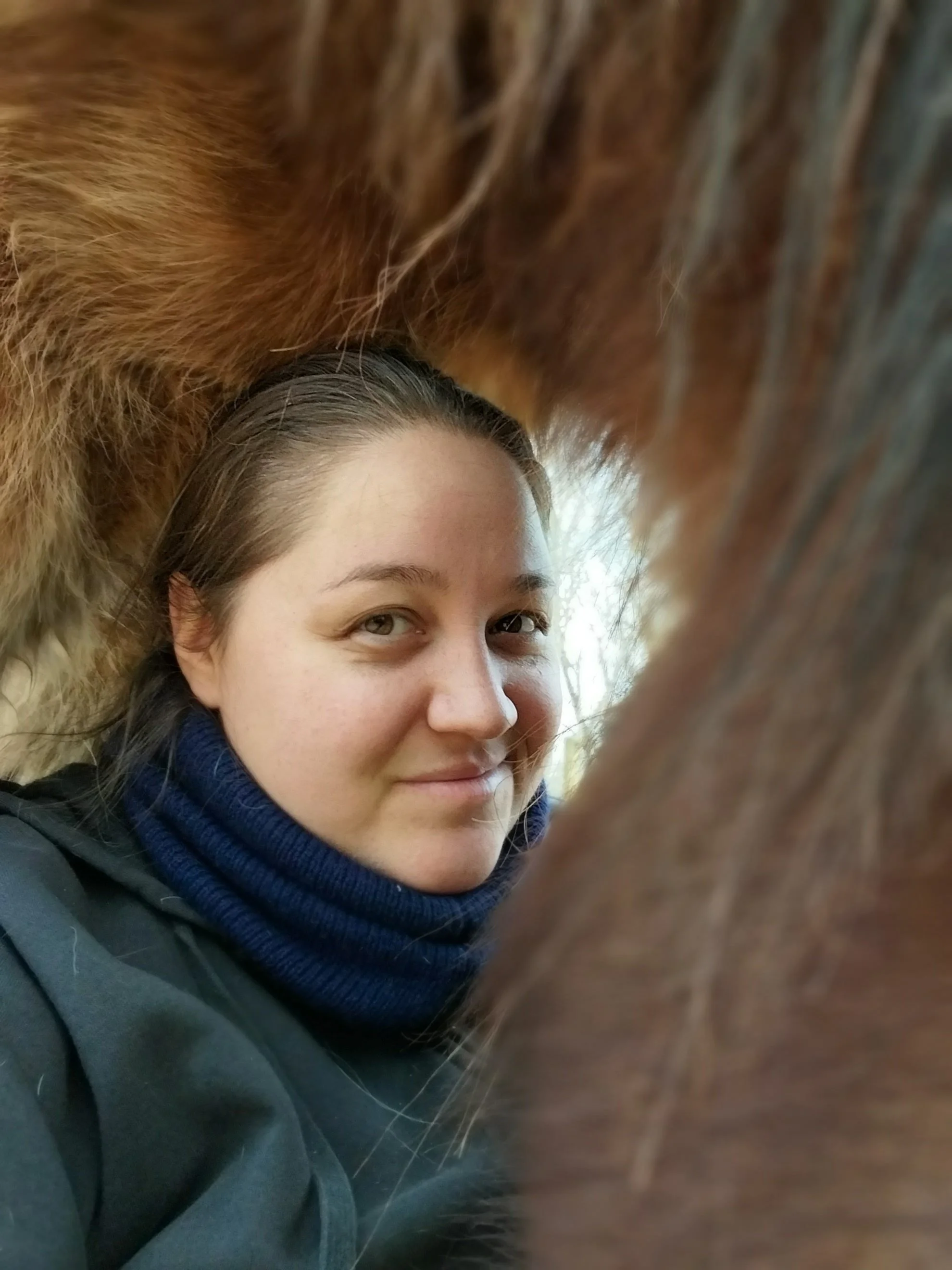
Morgan Ridenhour (she/they) is a life-long consumer of social science, a behaviorist at heart, and a devoted student of biomimicry. She believes that by observing and interacting with the natural world, we can find inspiration for self-development and innovative solutions to human challenges. She has worked in and alongside the fields of mental health, education, and leadership development for over fifteen years. Throughout this time, she had been both honored and delighted to facilitate meaningful and productive connections between humans and other species. She has witnessed with great joy the ways in which these connections have transformed people into calmer, kinder, happier versions of themselves (herself included!). Morgan holds a Master's degree in Clinical and Community Psychology from the University of North Carolina at Charlotte and continues to learn from a variety of teachers, most notable of which are esteemed colleagues (both human and animal).
<<< Guiding Theories>>>
Behavioral Theory
What we do is shaped by what we have learned to expect from previous experiences.
We can understand and adjust behaviors by:
understanding why that behavior occurs &
changing the conditions around the behavior.
This helps us stay present-focused and action-oriented. We do not always have control over the conditions that create behaviors (both the external and internal environments in which we find ourselves), but there are often things we can control so that targeted behavioral changes flow naturally and easily.
Narrative Theory
We create meaning for ourselves by the way we think about our experiences - this meaning can then impact the way we feel about ourselves and our lives. When we shift our focus and/or how we are describing things, we can shift the way we experience and understand ourselves and our lives.
<<< Guiding Models >>>
Experiential Learning
Powerful, long-lasting learning occurs when we can experience something not just in our minds, but in our whole bodies. This deep learning happens when we not only talk through things, but also:
embody or enact what we’re talking about
reflect on the experience
identify helpful adjustments, &
embody or enact those adjustments.
This style of learning allows for immediate feedback and correction so that we are discovering and solidifying helpful patterns and behaviors in real time.
Because our whole bodies are involved, it’s also especially helpful for neurodivergent brains, or anyone who can start to feel restless or stuck trying to talk things through while sitting still.
Biomimicry
The idea behind biomimicry is that we can observe nature to find solutions to human problems. Applying a model of biomimicry means we are actively observing, exploring, and reflecting on nature with the goal of gaining insight into ourselves and our lives.
While many scientists use biomimicry to improve architecture, medicine, and sustainable materials, we can also use it to improve communication, connection with others, regulation, and even coping skills for difficult emotions or stressful situations.
For example:
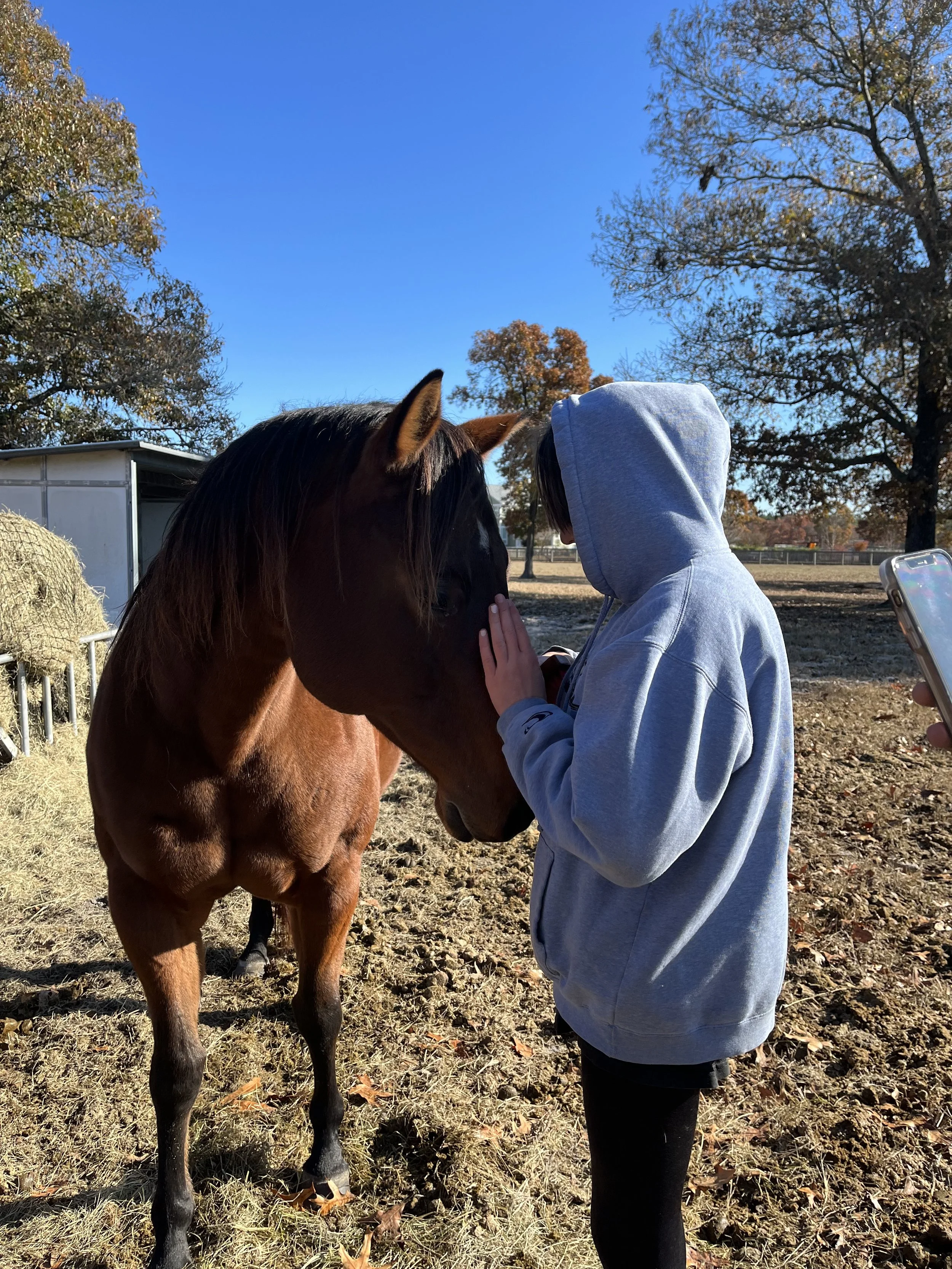
We can learn from horses how to communicate boundaries without damaging connection.
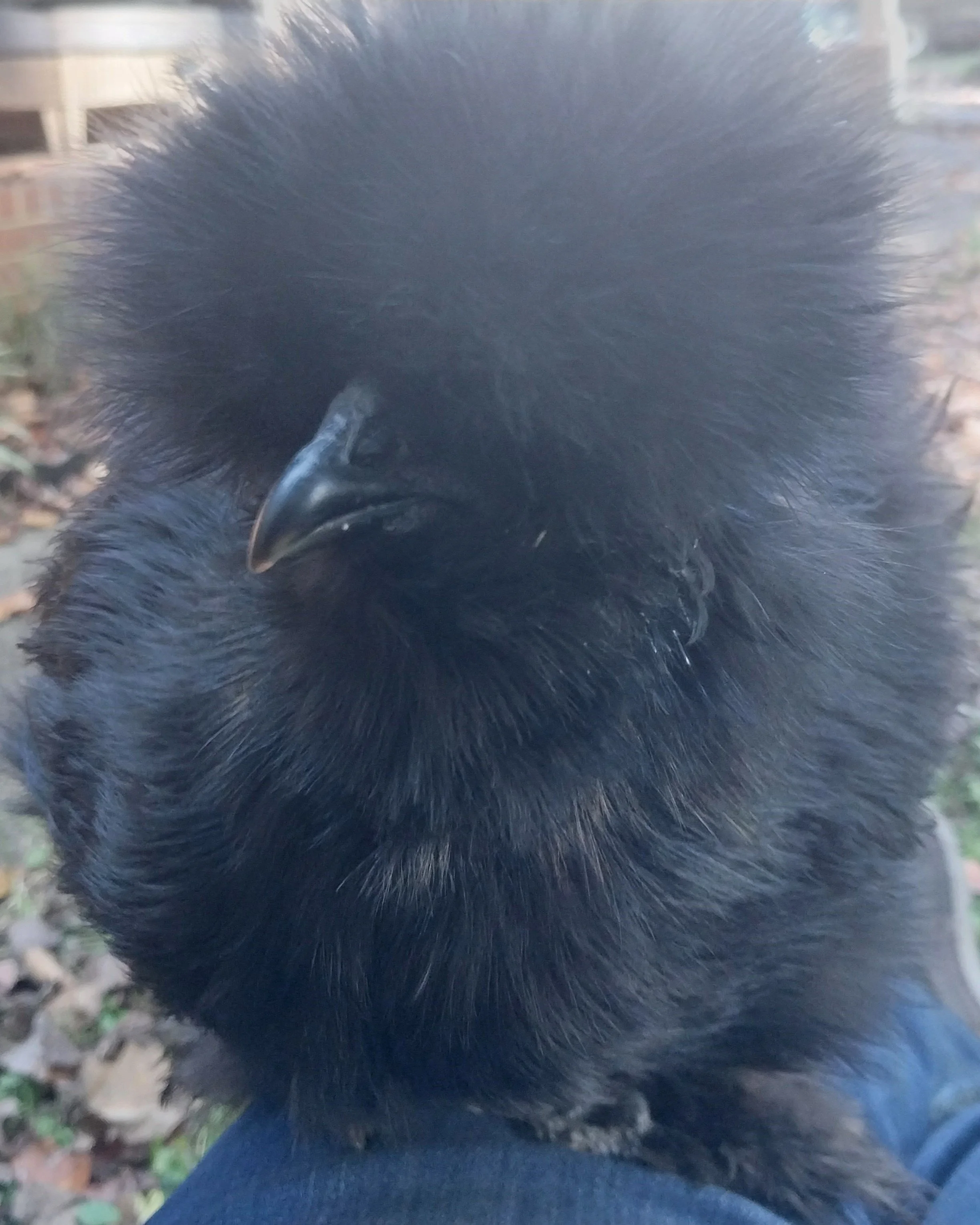
We can learn from chickens how to leverage community to create safety.
We can learn from goats how to access playfulness as an avenue to stress relief.
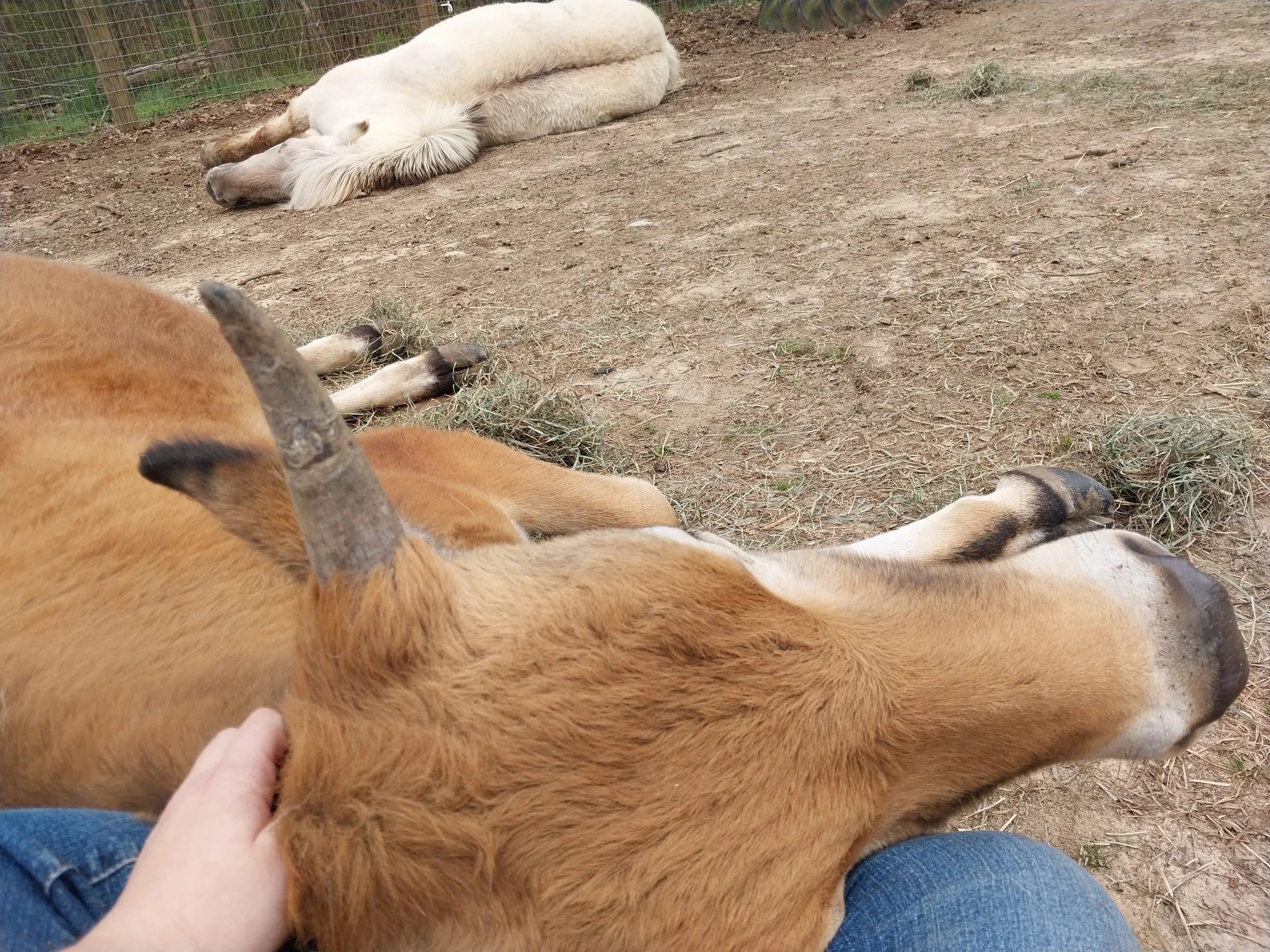
We can learn from cows how to create space for tranquility and restoration.
Ready to grow?
Reach out for more information - we can find a time to connect and chart a path forward together.